ChicFaith
Extra 10% Off
On already-discounted prices
Use This Code At Checkout
FALL10
With Every Order
A Handmade Surprise
One free accessory, handmade by us and selected at random
Offer Ends November 1, 2026
Shop The Offer Skip to content
Autumn Sale ☀️ 10% OFF Sitewide with code: FALL10 | Limited Time: Until Nov. 1th
Autumn Sale ☀️ 10% OFF Sitewide with code: FALL10 | Limited Time: Until Nov. 1th

A promising fall wardrobe can still be difficult to wear. The sweater only works with one skirt. The small bag cannot carry your weekday essentials. The watch catches under a fitted cuff. You have plenty of pieces, but very few complete outfits ready for an ordinary Tuesday.
A useful fall capsule wardrobe starts with those everyday problems. It is a manageable selection of clothes and accessories that work together for the season you actually have: the commute, the warm office, the grocery stop, and dinner afterward. The aim is to give familiar pieces more opportunities to be worn.
This way of thinking has a longer history than today’s wardrobe checklists. The Metropolitan Museum of Art describes Claire McCardell’s 1934 ensemble of interchangeable travel clothes, designed for activities ranging from casual to formal. The useful lesson for your own closet is coordination: a collection becomes more flexible when its parts can change partners.
Before choosing a capsule size, write down the places you go during a typical week. InStyle’s guide to capsule dressing recommends building outfits around your everyday activities. Make that exercise specific. Three office days, one day working at home, a Saturday market, and a Sunday lunch suggest a different wardrobe from five days in a uniform or a week spent mostly outdoors.
Next to each activity, note its practical requirements. Does work mean a laptop and notebook, or only a phone and access card? Will you stand on a train? Do you take your coat off immediately upon arrival? Does a dinner reservation require a change of clothes, or simply a smaller bag and a tidier neckline?
Include your laundry routine. A five-top rotation means something different when you wash twice a week than when laundry happens on Sunday. Leave sleepwear, underwear, exercise gear, and specialist work clothes outside this everyday edit if that makes planning simpler.
Check the weather where you live, too. For UK readers, the Met Office’s local forecast guide explains forecasts covering temperature, rainfall, and wind. Elsewhere, use your local weather service. Choose for the conditions and hours you will actually be outside, rather than assuming that every fall day needs the same coat.
Try an initial edit of fourteen clothing and footwear pieces, with two bags and one everyday watch. These numbers are suggestions, not a capsule wardrobe standard. Keep more tops if laundry, your job, or your climate requires them. A second watch is optional and should earn its place through a different styling role.
For tops, select a plain T-shirt, a striped long-sleeve top, a button-down shirt, a fine-knit sweater, and a dressier blouse. For bottoms, choose tailored trousers, jeans, and a midi skirt. Add one dress, a cardigan, a blazer, one appropriate coat, and two pairs of shoes. Loafers and ankle boots could work, but familiar sneakers may make more sense for your days.
These are adaptable categories. If you never wear skirts, choose another pair of trousers. If dresses are your easiest outfit, use two dresses and fewer separates. Vogue’s 2026 wardrobe essentials edit includes shirts, trousers, tees, and knitwear, but an editorial list is a starting point. Your own most-worn pieces deserve the first audition.
Choose colors from outfits you already enjoy. You do not need to replace a navy coat because a checklist specifies black, or stop wearing a patterned blouse because other pieces are plain. Keep one or two distinctive favorites that can join several combinations. Their shape, texture, or print can give familiar basics character without requiring a separate collection of accessories.

Lay out your five tops and three bottoms. There are fifteen possible pairings on paper, but that arithmetic does not tell you whether a shirt bunches under a waistband or whether the proportions feel right. Try each pairing you would realistically wear, including the shoes.
Give each top a simple assignment: work with at least two bottoms and one layer. Ask each bottom to work with at least three tops. These are useful personal tests, not rules to obey at the expense of a favorite outfit. A special blouse can remain for dinner even if it has fewer partners.
Take quick photos of combinations that feel good. Look at them with your coat on as well as off. A blazer that sits beautifully over a T-shirt may feel crowded over your sweater; a skirt that works with loafers may need a different hem relationship with ankle boots. Solve those issues now, while you have time to change.
If an outfit feels unfinished, try a tuck, a different sleeve arrangement, or a change of layer before searching for another bag. Often the missing element is balance within the clothes. One accessory cannot solve every fit problem.
Look for a less obvious problem: several outfits depending on the same piece. Perhaps the blouse, sweater, and dress all look right only with one blazer. When that jacket is being cleaned, three options disappear together. Test the cardigan with two of those outfits, or let the shirt work without a layer. The same check applies to bags. If every weekday outfit needs the smaller bag but your notebook will not fit, the rotation is organized around appearance alone. Move the larger bag into those combinations and assess them again. A good edit gives you a workable alternative when something is unavailable.
The V&A’s Bags: Inside Out exhibition considered bags through function, status, and craftsmanship. That combination is useful when choosing your own small rotation: a bag should suit what you carry and contribute something you enjoy seeing with your clothes.
Start with a daily carry bag for the fuller part of your week, then add a smaller bag for lighter outings. Two nearly identical medium bags may offer less practical range than one larger and one compact option. You may still need a dedicated laptop carrier or gym bag; those are separate needs, rather than evidence that your capsule has failed.
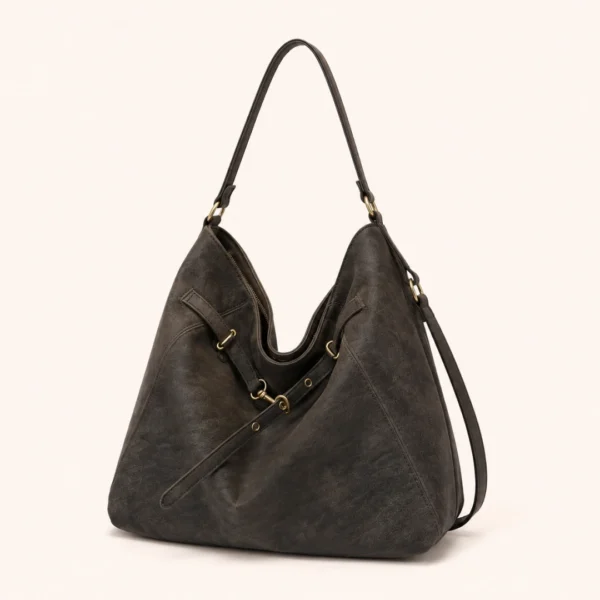
For the larger role, consider ChicFaith’s Chic Black/Burgundy/Brown/Gray PU Women’s Tote Bag. Made from PU, it has a larger silhouette measuring 38 cm wide and 28 cm high, with handbag, shoulder, and backpack carrying options. Use it with your blazer and trousers on an office day, then with jeans and a cardigan when your weekend involves a fuller load. Choose a color that joins your actual outerwear and shoes, and compare the bag’s measurements and opening with what you need to carry. View specifications and sizing.

Your main watch should make sense with the clothes you repeat most often. Try it beside a shirt cuff, beneath your coat sleeve, and with your usual earrings. Check whether you can read the dial comfortably and whether the case and band feel right during ordinary movement. The best capsule choice is one you want to put on again tomorrow.
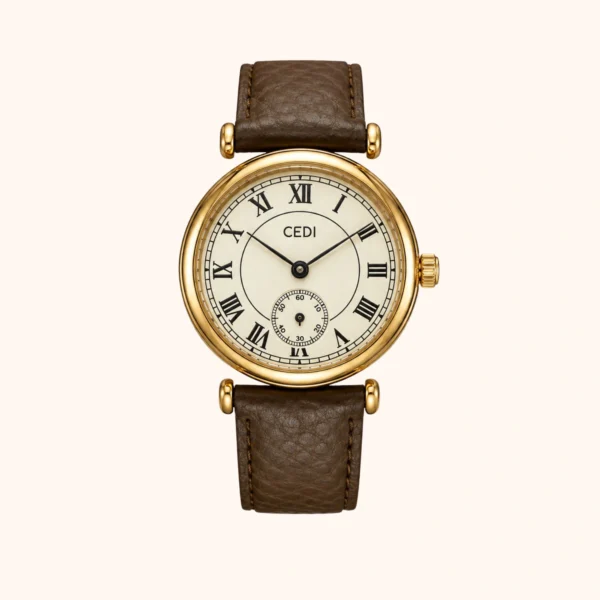
A strap watch can bring a quieter finish to a blazer, knit, or denim outfit. ChicFaith’s Classic Brown Roman Numerals Round Genuine Leather Watch pairs a brown genuine leather strap with a white Roman-numeral dial in a 23 mm round case. Its restrained scale gives the shirt-and-trouser combination a small point of interest, then works as a familiar detail beside a relaxed sweater. Consider it for the main-watch role if that style reflects what you already wear. View specifications and sizing.
You do not need to match the strap to every bag. Look at the complete outfit instead. A watch can repeat a small detail elsewhere, or simply remain your familiar daily piece while the clothes and bag change around it.
Wear the button-down shirt with tailored trousers, loafers, and the blazer. Use your daily carry bag and main watch. Decide on your shirt tuck before leaving, and check that the bag’s strap sits comfortably over the blazer. If you remove the jacket at your desk, the shirt and trousers should still feel like a complete outfit. On the next office day, replace the shirt with the fine-knit sweater and keep the remaining pieces.
Pair the striped top with jeans and the cardigan. Choose the shoes you already trust for that errand. The main watch adds a familiar finishing detail even when the clothes are relaxed. Carry the smaller bag if your essentials fit; use the larger one when you need a book or extra layer. For another version, wear the plain tee under the cardigan and leave the knit open.
Start with the dressier blouse, tailored trousers, blazer, and ankle boots. The larger bag handles the daytime load. If you can leave work belongings securely behind, switch to the smaller bag for dinner. Remove the blazer indoors and adjust the blouse neckline or cuffs. This is a complete change of context with the same clothes. There is no need to carry a second outfit unless the occasion calls for one.
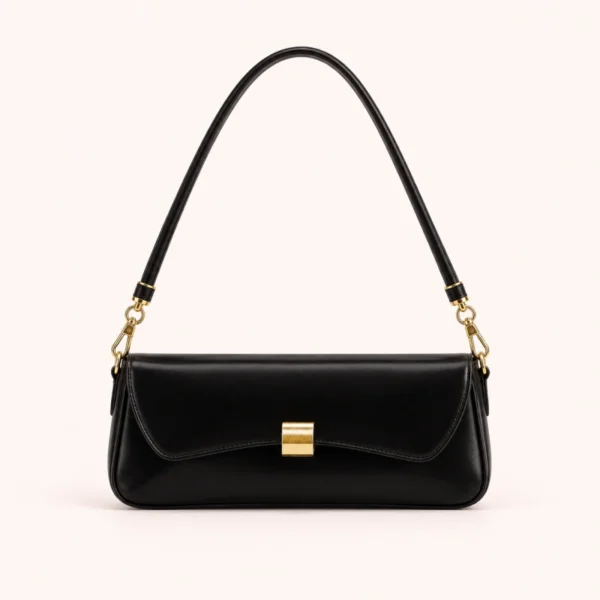
ChicFaith’s Curved Flap Baguette Shoulder Bag is an option for that smaller role. This PU bag has a compact elongated shape, measuring 20.5 cm wide, with a curved flap and gold-tone front accent. It brings detail to the blouse-and-trouser combination without repeating the larger tote’s silhouette. Choose it for lighter outings when your essentials suit a small bag, and check how the strap will sit over the layers you plan to wear. View specifications and sizing.
Try the fine-knit sweater with the midi skirt and ankle boots, adding your coat when needed. Use the smaller bag if it suits what you carry. Keeping the same watch from Monday gives these softer clothes a consistent personal detail. On a different weekend, wear the button-down with the skirt and cardigan. Check the skirt’s movement while sitting and walking, rather than judging the outfit only in a mirror.

Wear the dress with a cardigan, your preferred shoes, and the daily carry bag for a daytime visit. For a later meal, switch to the blazer and smaller bag. If the dress allows it, wear the fine-knit sweater over it on another day so the lower half reads like a skirt. Test that combination first: bunching at the waist or an awkward neckline can make the extra layer less useful.
REI’s layering guide distinguishes the functions of next-to-skin clothing, insulation, and protection from wind and rain. Its advice is written for outdoor activity, but separating those jobs is helpful when planning everyday clothes too. A blouse, cardigan, and coat should each have a reason to be there.
For a cool morning and warm afternoon, choose layers you can remove without dismantling the outfit. Try the shirt under the cardigan, or the tee under the blazer. Check the shoulder fit and sleeves with everything on. In a rainy climate, a suitable rain layer may be more useful than the coat in the sample edit.
Then check the accessories over those layers. A shoulder strap that sits neatly over a blouse may behave differently on a thick coat. A watch that works with a loose cardigan may sit awkwardly under a close cuff. Make those comparisons before treating a second accessory as the answer.
If your strap watch covers work and weekends, you may already be finished. Consider a second watch when you often want a more jewelry-like finish with your blouse, dress, or simple evening knit. It should give existing outfits a different character, rather than demand clothes bought specifically for it.
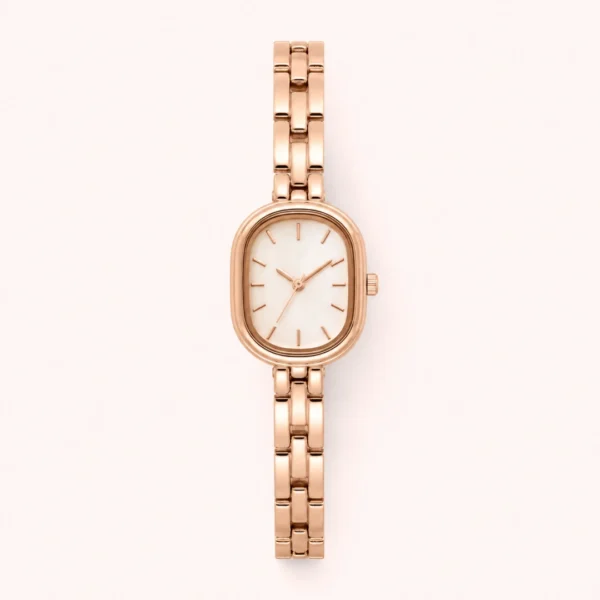
ChicFaith’s Classic Rounded Square Dial Link Bracelet Watch offers that contrast through a softly rounded square face and an open-link alloy bracelet. The Silver-White option could accompany the blouse and trousers from Wednesday or the dress from Sunday, giving either outfit a more polished finish. Its shape brings variety alongside the round strap watch. Try the idea with your existing jewelry and sleeves, and review the band measurements and link adjustment information before choosing. View specifications and sizing.
Keep the edit easy to reach and wear it for two ordinary weeks. Record what you actually used, what stayed unworn, and where a practical problem appeared. Perhaps you need another washable top rather than another handbag. Perhaps the skirt has plenty of partners, but your shoes make the outfits uncomfortable.
Keep maintenance realistic. Check clothing care labels before buying, especially when professional cleaning would affect how often you wear a piece. For wool knitwear, Woolmark recommends folding knitted garments for storage. Follow each garment’s care instructions, and follow the manufacturer’s separate guidance for your bags and watches.
After the trial, name any gap precisely: a top that layers under both jackets, shoes for wet commutes, or a bag opening that suits your daily load. Compare an existing piece, a repair or alteration, and a possible new purchase against that need.
A workable fall capsule leaves you with outfits you can reach for on a busy morning. When two bags handle distinct outings and a familiar watch follows you through the day, the variety can come from the clothes themselves: a shirt changing partners, a dress gaining a layer, or the same trousers moving from a meeting to dinner.

